

About
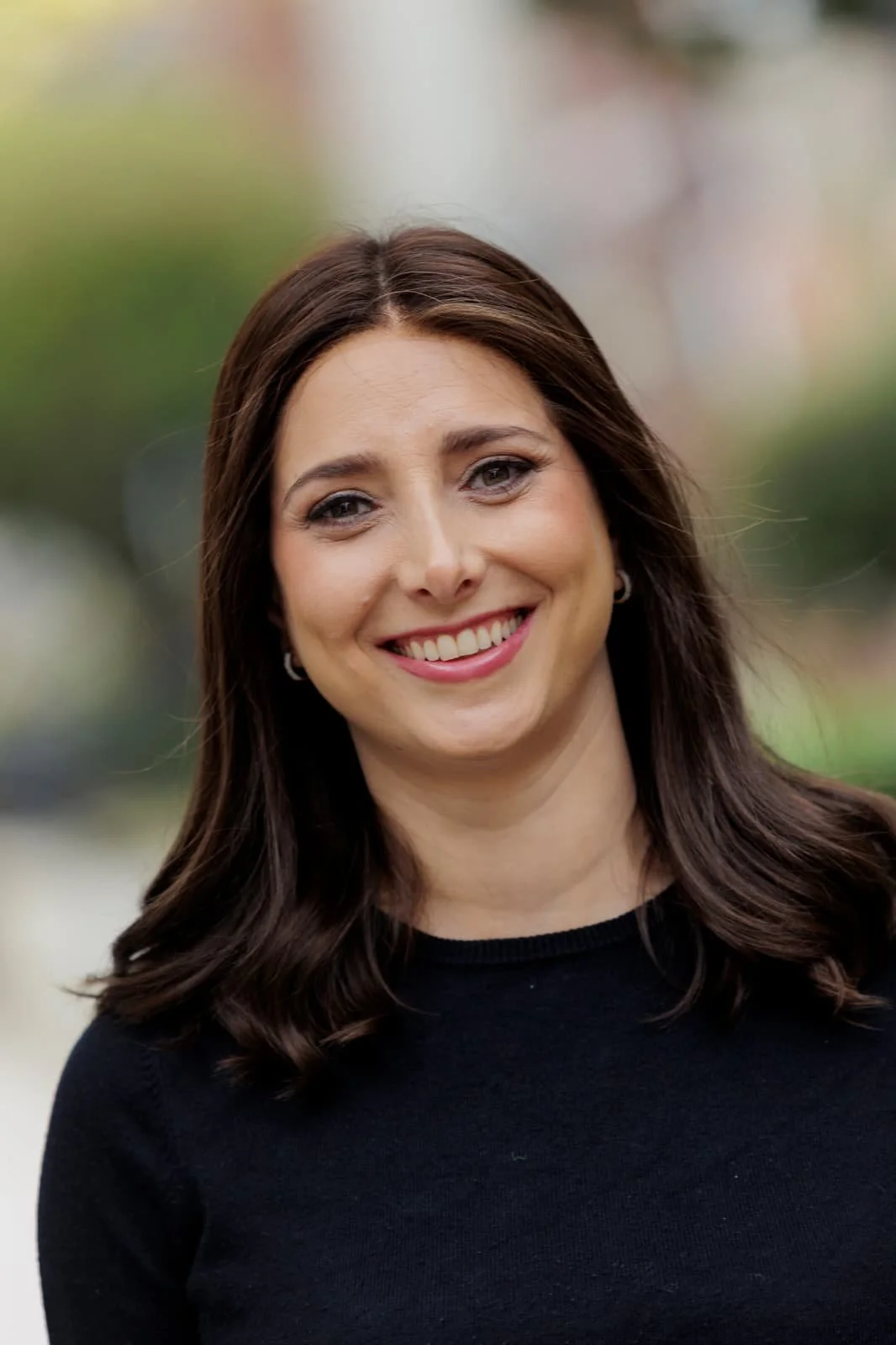
A Different Way of Looking at Children
My path to speech-language pathology began in the classroom. As a teacher, I found myself drawn to helping struggling students communicate more effectively, but I realized I needed more specialized training to make a real difference in their lives. This led me to pursue a career as a speech-language pathologist. Throughout my career, I’ve worked primarily in schools, supporting children with diverse needs including autism, cerebral palsy, emotional challenges, and intellectual differences. This experience has strengthened my core belief that everyone has something valuable to contribute – we just need to find the right way to help them express it.
My Philosophy
I believe deeply in every child’s right to communicate. Every child has something meaningful to share and it is our responsibility, as the adults in their lives, to help their voices be heard.
Communication isn’t one-size-fits-all. For some children it develops naturally; for others, it requires us to slow down, look more closely, and meet them where they are. Whether a child is using words, gestures, or a communication device, my goal is to support them in expressing themselves with confidence. This belief guides all of my work because every child deserves a way to be understood, and a place where their voice can find its wings.
Why I focus on evaluations
I’ve seen how much time can be lost in therapy when we don’t fully understand where a child is starting from. Without that clarity, it’s easy to fall into trial and error when what families really need is direction. A thoughtful evaluation helps us understand not just what is difficult, but why. It allows us to target the right skills from the start and use our time in a more meaningful, focused way. Just as importantly, it often brings relief. When children begin to understand their challenges, it can reduce frustration and build confidence. Instead of feeling like something is “wrong,” they start to see a path forward and that shift can be just as powerful as the therapy itself.
My Experience
My experience has been shaped by the children I’ve worked with and the questions that came up along the way. When supporting children who were not yet speaking, I learned more about AAC and how to introduce it in a way that feels natural and meaningful. My bilingual background influenced this process, helping me think about AAC as a language that develops over time. As I worked with children struggling to learn to read, I explored structured, systematic approaches grounded in the science of reading to better support their progress. For children who had difficulty focusing or keeping up in the classroom, I looked more closely at both auditory processing and executive functioning. I trained in an auditory processing program that targets evaluation and treatment for specific listening challenges, while also expanding my understanding of executive function and how to support skills like planning, flexibility, self-monitoring, and task initiation so children are better equipped to engage, learn, and succeed. Each step has helped me better understand how different pieces of development fit together, and how to support children in a way that is both thoughtful and practical.
Professional Credentials
Licensed Speech-Language Pathologist (New York State)
Member of the American Speech-Language Hearing Association (ASHA)
PROMPT-trained clinician
LAMP-certified practitioner
Published author in speech-language intervention
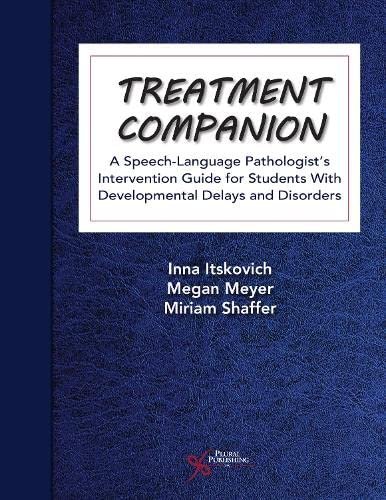
Treatment Companion: A Speech-Language Pathologist's Intervention Guide for Students With Developmental Delays and Disorders